





Erythraea Myrrh Essential Oil
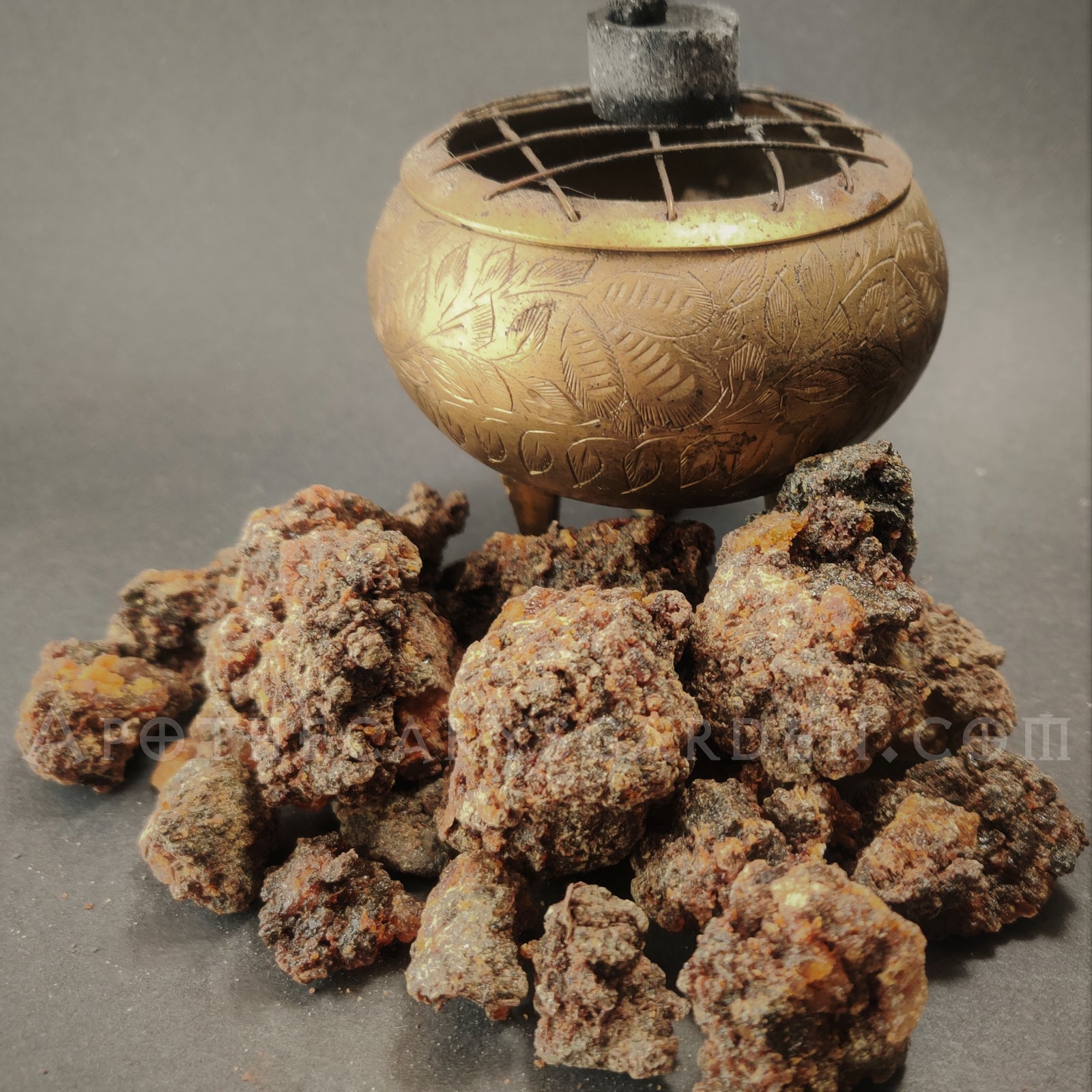
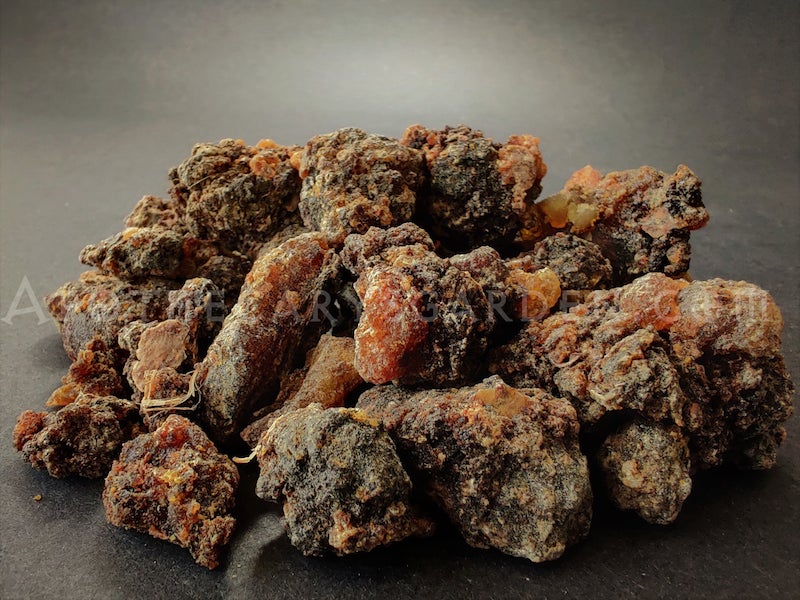
This listing is for the very Rare Essential oil of Erythraea Myrrh, also called Scented Myrrh, Commiphora Erythraea from Somalia. The resin is sustainably harvested and we distilled the essential oil in-house in April 2026. The yield of essential oil from 1 Kilogram of resin is very, very low, which makes it even more dear.
$17.00 - $825.00
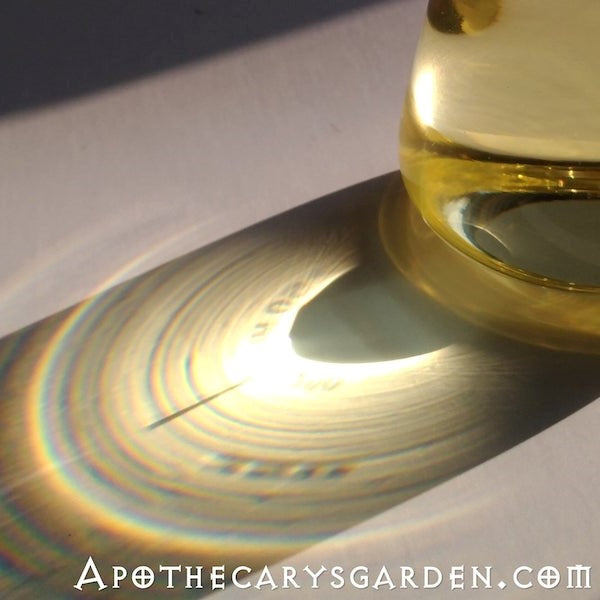
The essential oil of Erythraea Myrrh is a perfume unto itself! Rich, brisk, deep, complex and multilayered. Soft, sweet and herbaceous dark green notes with sugary caramel and mint. It has a very unusual powdery Moss element that stays through the drydown, and even a hint of soft animal-fur musk and floral indoles! What an unusual composition for an African resin essential oil!!!
What blends does it suit? Fougere? Gourmand? oriental? Floral? In my mind, it can work in a broad range of aromatic compositions.
The yield from my distillation of the fresh resin was very very low, so there is only a small amount of this precious oil available but every drop of this aromatic blows me away with its smooth complexity.
There are a number of Commiphora trees that fall under the heading Scented or Sweet Myrrh. They all have completely different aromatic profiles.
Often, Erythraea Myrrh is listed as Opoponax. This is a mistake! The aroma of C. Erythraea is very different from that of Opoponax/C. Guidotti. There is no pure essential oil of C. Erythraea on the market. At least there never has been till now.
Not only is this a gorgeous essential oil, but it is also sustainably harvested. Like some of the other Bisabol Myrrh and a handful of Frankincense species, these trees cannot be tapped for their resin. it is a natural exudate and sustainably harvested. This is a very important feature of this resin now that we are losing so many of our aromatic and medicinal plants due to natural causes and over-harvesting.
It is only recently that we have started identifying Commiphora trees with a focus on their aromatic resins and the fragrance profiles that distinguish them one from another.
Some, like Commiphora Confusa, Erythraea and Kataf, have such distinct and unique aromas and chemical makeup that their resins can be collected segregated, and distilled separately creating completely new and unique products.
This new appreciation contributes to a broader and more reliable income for many poor, rural and pastoral collecting communities and takes some of the pressure off the mainstream Frankincense and Myrrh trees which in some cases are overharvested to meet our growing Western demand.
Dan
Materials: Sweet Myrrh, Scented Myrrh, Commiphora Erythraea, Pure Essential Oil, Bisabol Myrrh, Hagar.