



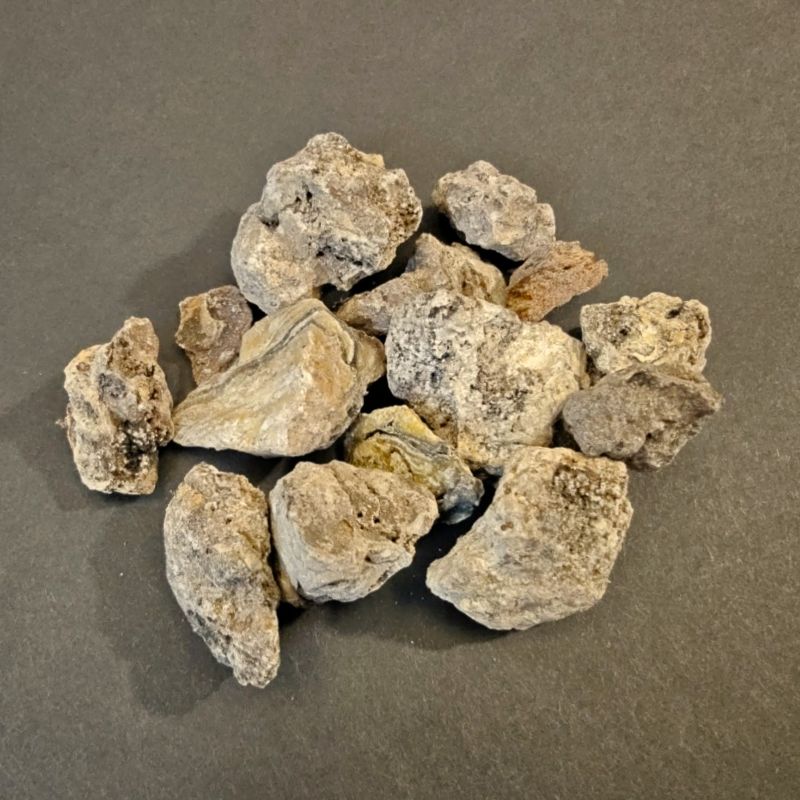

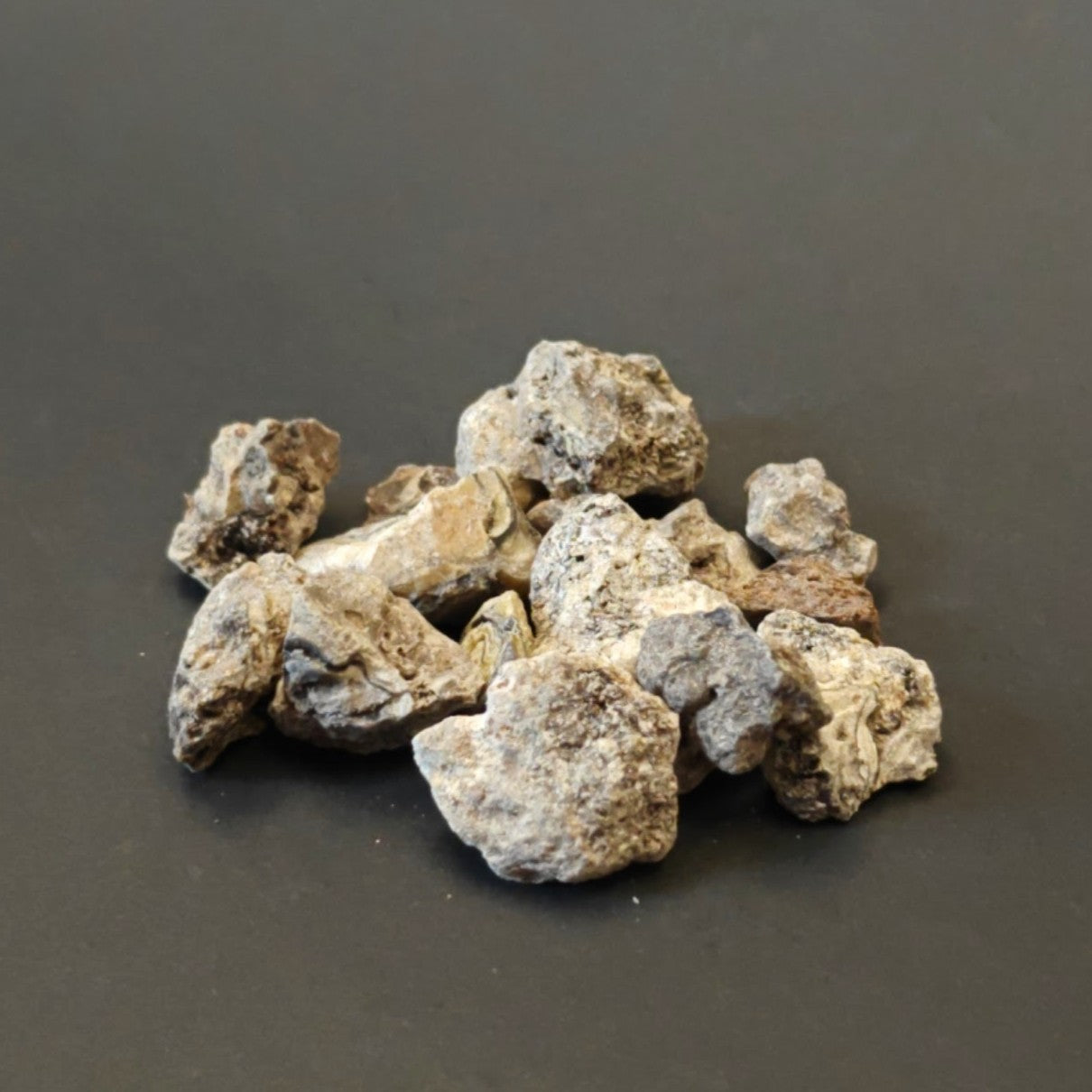

Okume resin, Aucoumea klaineana
Okume resin is a beautifully aromatic resin collected from Aucoumea klaineana, a West-Central African tree closely associated with Gabon, Congo, Equatorial Guinea, Cameroon, and Cabinda.
$12.00 - $172.00
Kew lists Aucoumea klaineana as an accepted species in the Burseraceae family, native to West-Central Tropical Africa and growing primarily in the wet tropical biome.
Botanical name: Aucoumea klaineana
Common names: Okume, Okoumé, Gaboon, Gaboon Mahogany, Gaboon Resin
Plant family: Burseraceae
Plant part: Aromatic bark resin / oleoresin
Preparation: Raw natural resin
Aroma: Sweet old wood, honey, wildflowers, warm resin, dry earth, soft smoke, faint turpentine, balsamic, woody, floral
Incense / perfumery role: Resinous base note / incense material / warm woody modifier
The Burseraceae family is often called the incense tree family, and for good reason. This is the same fragrant plant family that gives us frankincense, myrrh, elemi, and many of the aromatic copals. The Royal Botanic Garden Edinburgh notes that Burseraceae is a family rich in fragrant materials, with frankincense and myrrh among its best-known products.
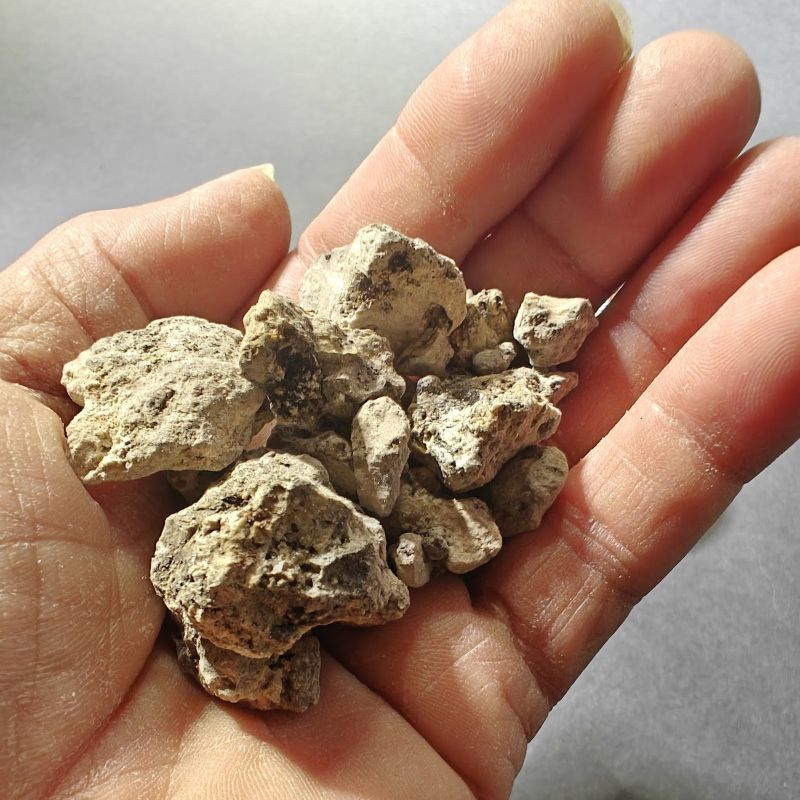
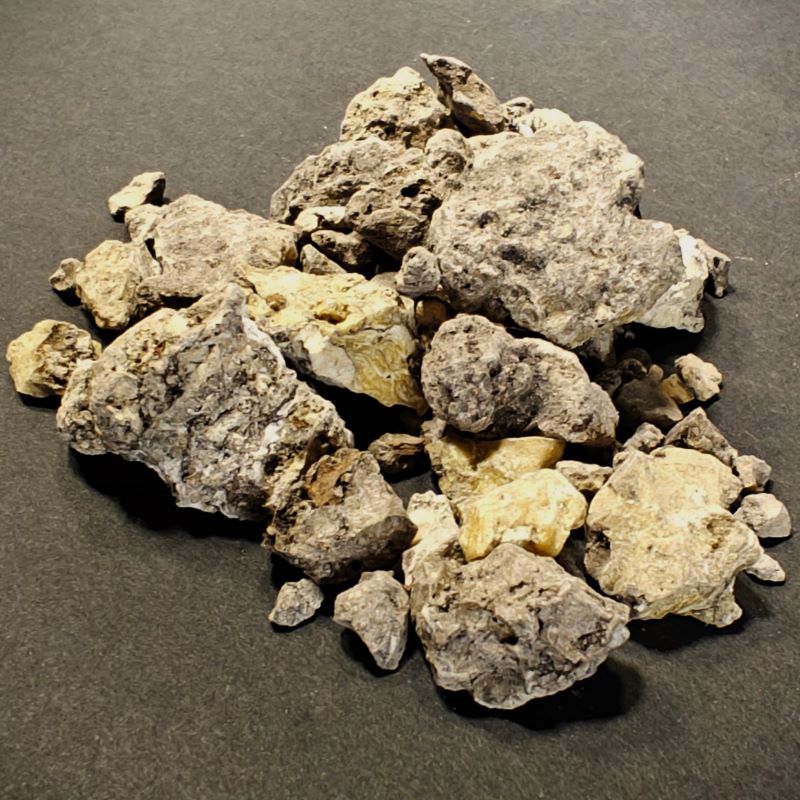
At first glance, Okume resin may not make a dramatic entrance. There is no point pretending otherwise. It can look, rather unfairly, like a handful of dark earth. But fresh Okume resin has a surprisingly sweet, rich, and complex aroma. When warmed gently, it opens with notes of old wood, honey, wildflowers, soft resin, and a faint earthy warmth.
On an electric incense heater, especially at lower temperatures, Okume resin reveals its sweeter and more floral side. It has a mellow, honeyed, woody character that sits somewhere between forest resin, old timber, and wildflower nectar. On charcoal, it becomes more direct, with more smoke, depth, resin, and old-wood character.
This is a lovely material for anyone who enjoys the broader world of Burseraceae resins but wants to explore beyond the familiar territories of frankincense, myrrh, copal, and elemi. Okume does not smell like frankincense. It does not smell like myrrh. It has its own personality: humbler in appearance, but unexpectedly charming in the censer.
The tree itself is better known internationally for its wood than for its resin. Okume wood, also called Gaboon wood or Gaboon mahogany, is valued for veneer and plywood, especially where lightness and flexibility are useful.
There is also an interesting modern patent trail around Okume resin extract. A French patent application describes extracts of Okoumé resin for cosmetic and dermatological fields, especially for skin, nails, hair, and eyelashes. It also notes that the resin contains mainly monoterpenes and triterpenes, and discusses its solubility in various organic solvents. This is interesting from an apothecary and formulation perspective.
In blends, Okume resin can bring warmth, body, and a gentle woody sweetness. It pairs beautifully with frankincense, myrrh, elemi, copal, benzoin, labdanum, sandalwood, cedarwood, patchouli, vetiver, tonka, beeswax, hay, tobacco, lavender, clary sage, and soft florals that benefit from a resinous foundation.
It can be used in loose incense, resin blends, kneaded incense, experimental incense pastilles, and small-batch aromatic formulations. Because it has both sweetness and earth, it can serve as a bridge between bright resins and deeper woods.
One small note for those using electric incense heaters: do not be surprised if, after warming Okume resin for a long time at low temperature, you find a fuzzy-looking accumulation under the lid of your burner. This is not mould. It is the condensation of volatile resin acids and aromatic compounds that have evaporated from the warmed resin and reconstituted themselves on the cooler inside surface of the lid.
Suggested uses
Use as an incense material on charcoal, mica plate, electric incense heater, or blended into loose incense, kneaded incense, resin blends, pastilles, cones, and experimental woody-resinous compositions.
Safety
For external aromatic use only. Do not take internally. Do not use as a medicine. Avoid contact with eyes and mucous membranes. Keep away from children and pets. Burn only in a well-ventilated space and never leave burning incense unattended.
Those sensitive to smoke, resins, or aromatic materials should use caution. Avoid during pregnancy or with serious medical conditions unless guided by a qualified practitioner. If experimenting with topical formulations, dilute properly and patch test before use.
Dan