





Benzoin Sumatra Resinoid
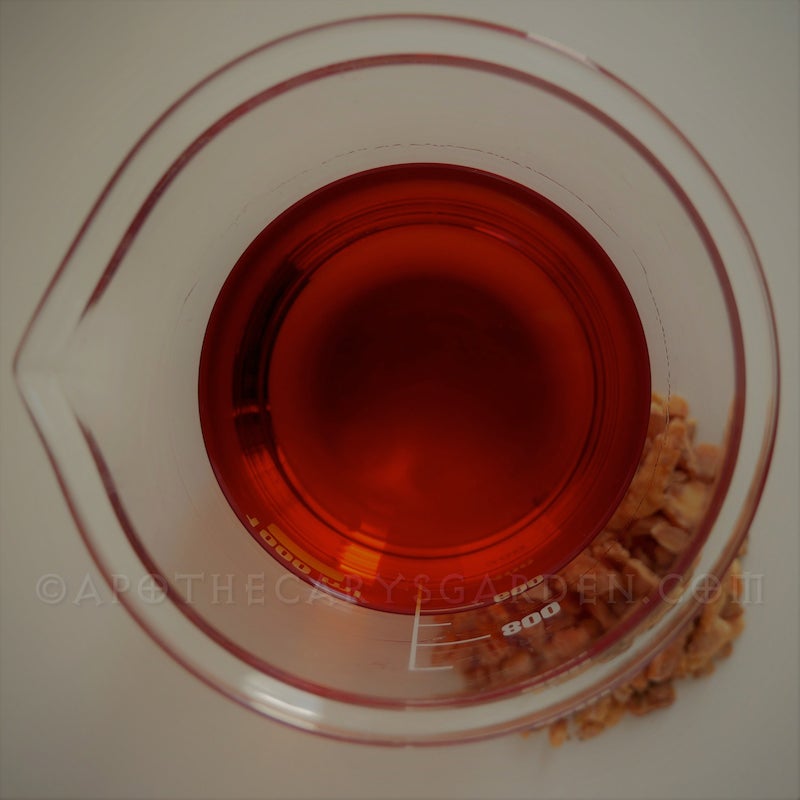
This is the resinoid of Benzoin Sumatra, produced from the resin of Sumatra Benzoin via solvent extraction with Benzyl benzoate. It is soluble in oil and alcohol.
$5.00 - $84.00
This means it is made by dissolving the fresh resin in the solvent, filtering out impurities, and evaporating the solvent from it.
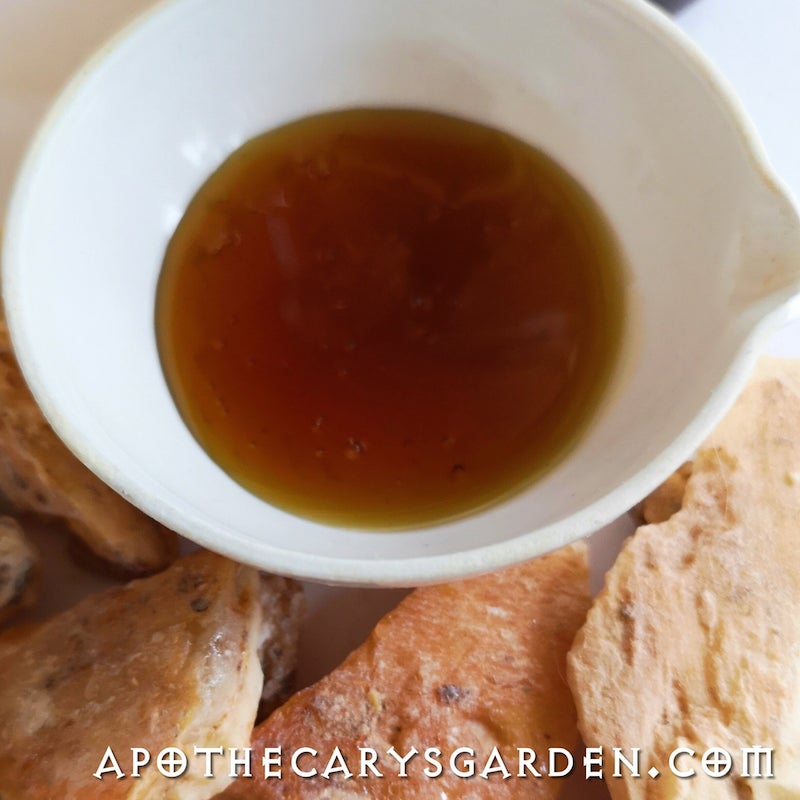
Benzoin Sumatra Resinoid is an aromatic liquid with the colour and consistency of Buckwheat honey in the fall. Though it is pourable at room temperature, a little warmth will help it flow and a warm water bath will help it blend with other compounds.
Benzoin resinoid has a beautiful, mellow Vanilla-like scent with highlights of caramel and bitter almonds.
In perfumery, Benzoin Sumatra Resinoid is considered a fixative since it anchors more fleeting scents in a blend.
1%-2% benzoin is often used to condition alcohol before using it as a perfume solvent. This is said to help eliminate residual fragrances left over from the distillation process and enhance the tenacity of a perfume.
Benzoin contains benzoic acid which acts as a preservative for fats and oils. For this reason, you will often see Benzoin tincture or resinoid added to formulas to keep oils and fats from going rancid. A little bit of Benzoin resinoid, (1%-2%?)will greatly extend the shelf life of products made with Olive oil, grape seed, Almond and many other " unstable" carrier oils. It also helps extend the life of animal fats such as Lard and Tallow. Note that Benzoin resin and tincture only help preserve fats and have no preservative properties when it comes to water-soluble compounds or water-oil emulsions.
Benzoin was initially brought to the West when Islam spread to Indonesia. Arabian traders discovered a tree resin that reminded them of their Luban, or Frankincense back home.
They gave it the name Luban Jawi, which translates as Frankincense of Java. Over the centuries, Benzoin became a mainstay in the aromatic and medicinal repertoires of cultures along the spice route and its name found many iterations.
For the French, LubanJawi became Le BenJawi, Benjawi and eventually Benzoin. The English found it easier to call it Benjamin or Gum Benjamin.
To this day we hear it referred to as Gum Benjamin, Benzoin, LubanJawi, Lubanya and Lubanja depending on the country and culture.
Benzoin is the original source of some familiar and important chemicals such as
Benzoic acid, Benzyl alcohol, Benzyl Benzoate which we now produce from other raw materials
Benzoin, like Labdanum, is a key ingredient in Chypre and Oriental type perfumes.
Many formulas for "Amber" fragrances and Amber perfume accords call for blending Benzoin, Labdanum and Vanilla in various proportions.
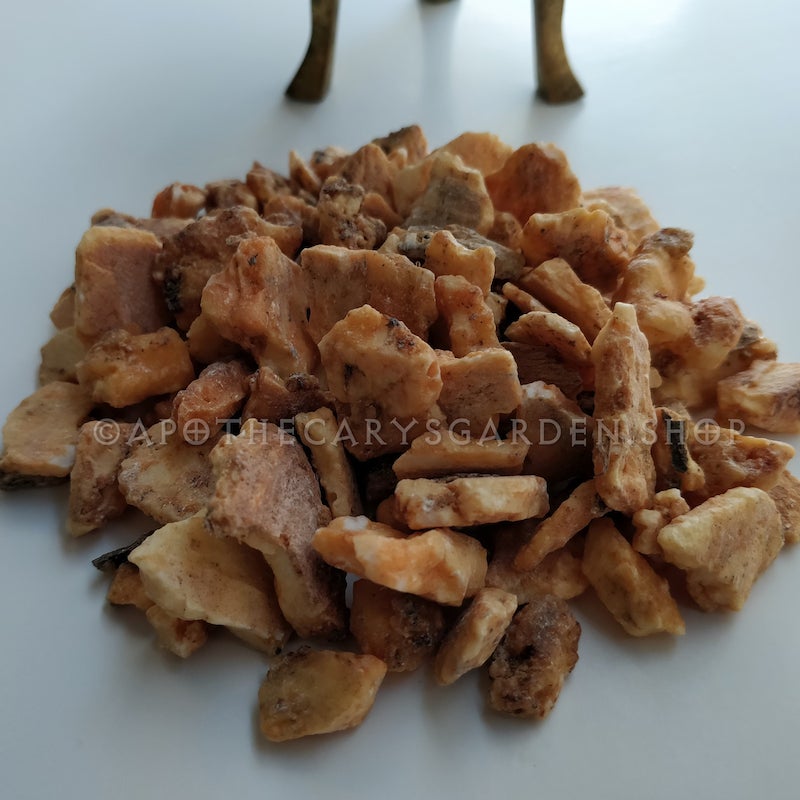
Benzoin is collected by incising a V and parting the bark of the tree slightly from the wood. This creates a natural pocket which holds the liquid resin until it sets and gives us the beautiful Benzoin "Almonds" of commerce. (See photos above).
Dissolved in a bit of warm oil, this material makes a wonderful perfume and a classic beard dressing for men.
Blending resins and resinoids is done with greater ease when they are warmed in a water bath. Avoid microwaves and stove tops which give little control over the temperature.
Materials: Benzoin Sumatra, Benzoin, Benzyl benzoate, Styrax Benzoin.