Frankincense Dalzielii

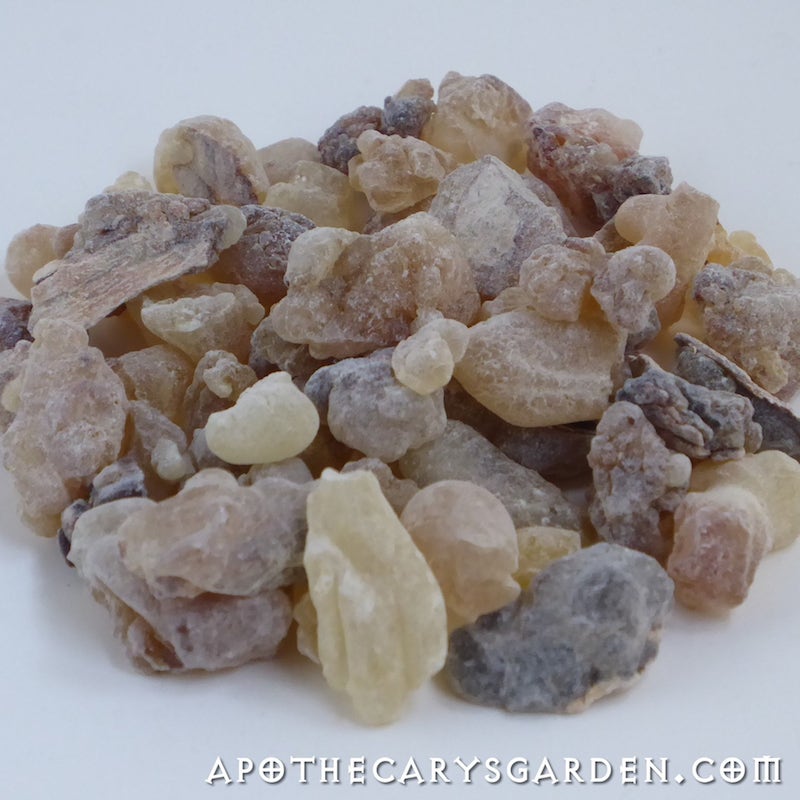
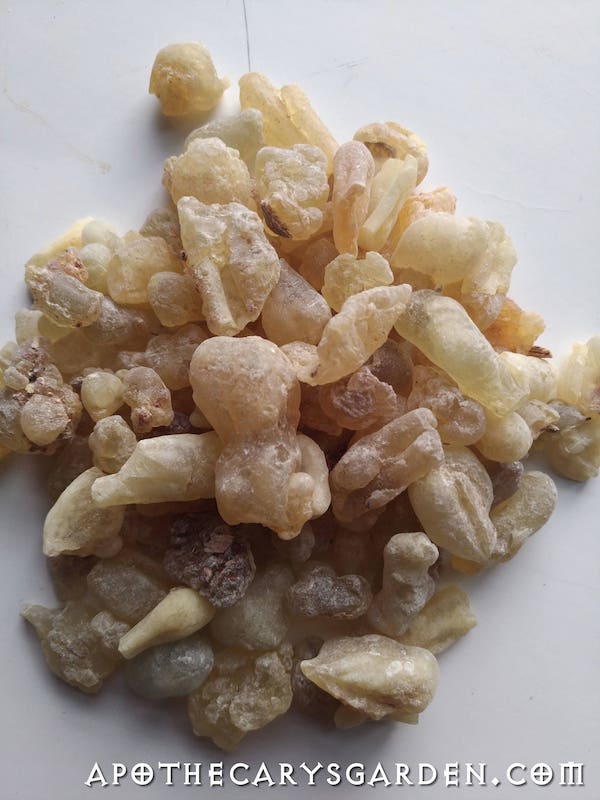
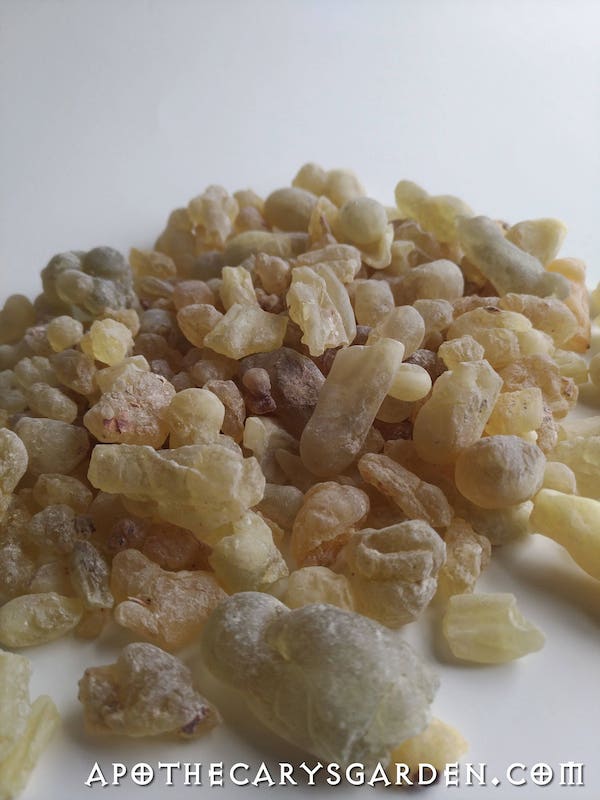
Frankincense Dalzielii is a  beautiful West African Frankincense found in North Eastern Nigeria where the Hausa speaking people refer to it as Hano or Harrabi.

Frequently asked questions

Some questions and answers are automatically generated.

What does Frankincense Dalzielii smell like?
Most reviewers describe a pleasant citrusy or lemony aroma with subtle minty notes and fresh, clean undertones. One customer found it reminiscent of Royal Green Hojari, though less bold and complex. Another noted the mint is smooth and subtle, blending well with darker incenses.
How fresh is the resin when it arrives?
Reviewers confirm the resin arrives in fresh condition. One customer noted that after grinding it, the resin still has a clear, fresh texture, indicating the material has not degraded during storage or shipping.
Can I use this as chewing gum?
Yes, the product description notes locals traditionally use it as chewing gum. One reviewer found it water-soluble on its own, so they mixed it with mastic to use as gum; the mint flavor lasted a considerable time in that blend.
How does this compare in price to other frankincenses?
Reviewers note this is excellent quality at a reasonable price—more affordable than premium varieties like Royal Green Hojari. One customer who tried other frankincense resins found them poor value by comparison and stated they would not stray from this product again.
Is this good for blending with other incenses?
Yes, reviewers who blend it with darker incenses report it works well as a gentle top note, adding fresh citrus and mint without overpowering other scents.
What uses does this resin support?
The product description states it can be used for incense, teas, oils, salves, tinctures, and creams. Reviewers confirm they use it as incense and in tea; one customer also mentioned hopes to use it in skincare.
Is the seller committed to sustainable sourcing?
Multiple reviewers explicitly praise the seller's commitment to sustainability and respect for the trees. One noted the seller takes care with both product quality and environmental impact, and another highlighted healthy-looking resins that burn as intended.
What is Frankincense Dalzielii's origin?
According to the product description, it is a West African frankincense from North Eastern Nigeria, where the Hausa people call it Hano or Harrabi. It is the most westerly species of frankincense on the Boswellia Belt.
It is beautiful material that exhibits the trademark fragrance of Boswellia Dalzielii -Orange/Citrus and Mint with earthy undertones. The locals use it as chewing gum and as incense.

It can be used as many of the other types of Frankincense for incense, teas, oils, salves, tinctures and cremes. This is a premium quality Frankincense at a very reasonable price.

Frankincense Dalzielii is the most western Frankincense species on what could be called the Boswellia Belt", a latitudinal band of favourable growing conditions that runs from the Ivory Coast in the far west of Africa to the eastern Horn of Africa and continues on through Yemen and Oman all the way to India and Pakistan in the East.

There are about 18 species of Frankincense dispersed along this band. Though not all of them yield resin on a commercial scale, most have been used in traditional folk medicine in the areas they grow. This is the case with Boswellia Dalzielii who's bark is used locally for many ailments including wound healing, Rheumatoid arthritis, gastrointestinal problems, and venereal diseases. To learn more Google "Frankincense Dalzielii studies".

A staple of churches, Mosques and temples around the world, Frankincense resin is traditionally used as incense and medicine. Its essential oil is distilled for perfumery and aromatherapy.

Frankincense Dalzielii bears all the features and indications that it belongs in the group of Frankincense types that provide us with Boswellic acids. These include B. Carterii, B. Sacra, B Papyrifera and B. Serrata. Recent studies out of Germany show Nigerian Boswellia Dalzielii resin to have the highest percent of Boswellic acids among all the Frankincense types.

For more information, recipes and instructions on making your own therapeutic or cosmetic products from Frankincense resin, please visit-To learn how to make a traditional tea please see my post here https://apothecarysgarden.com/blogs/blog/the-many-benefits-of-frankincense-tea-1

Dan

Materials: Boswellia Dalzielii.