Balm of Gilead/Mecca

Balm of Gilead / Balsam of Mecca
Commiphora gileadensis

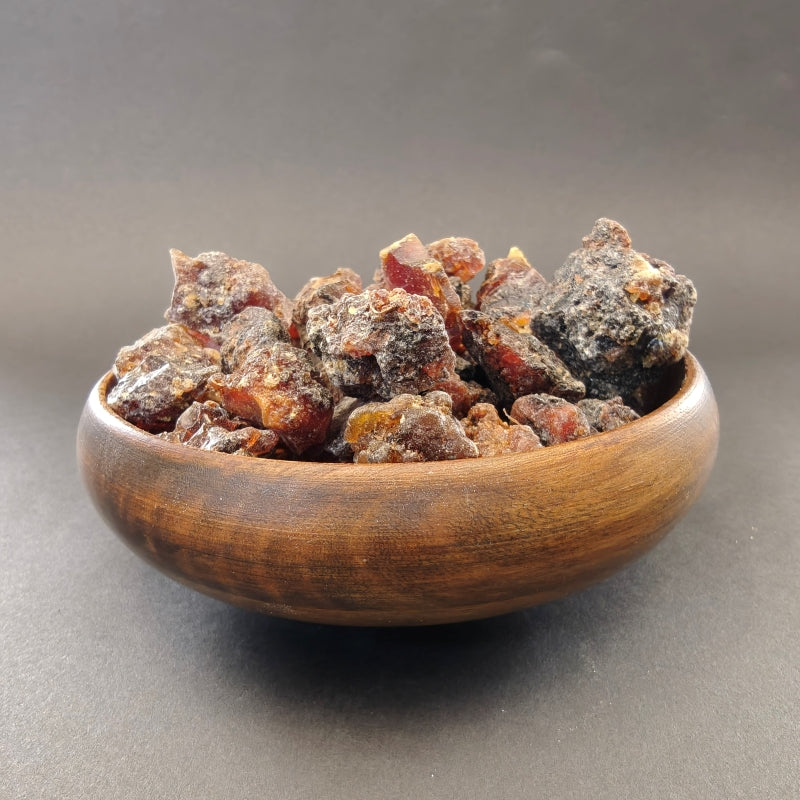
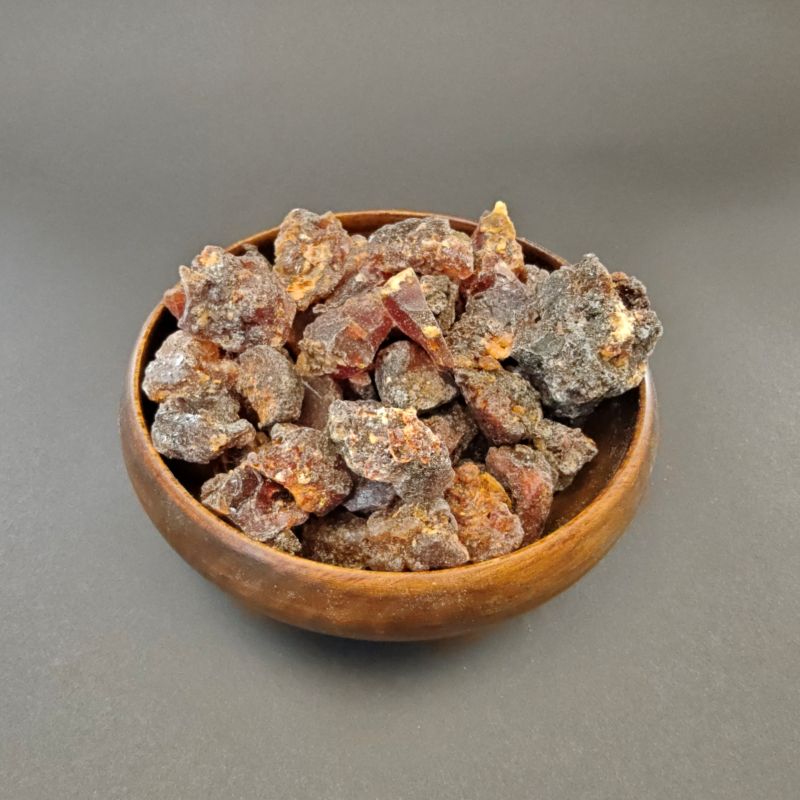
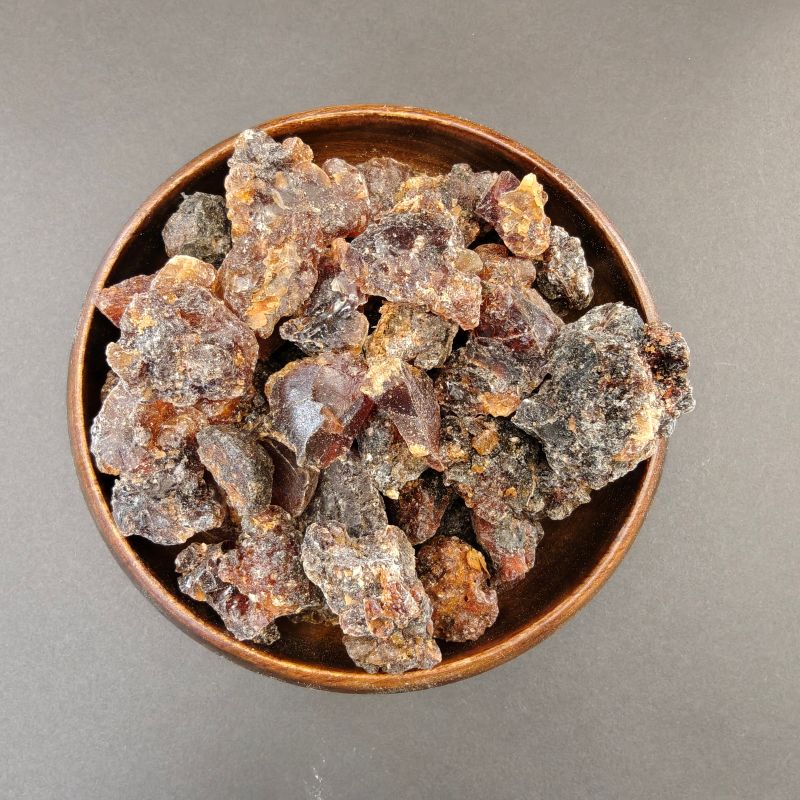
Also known as Balsam of Mecca and Arabian Balsam, Commiphora gileadensis is a fragrant member of the Myrrh family, treasured for centuries as perfume and traditional medicine. It is often identified as the Biblical Balm of Gilead, though this connection is still debated. As happens with many ancient aromatics, the names have travelled more faithfully than the botanical details 

Frequently asked questions

Some questions and answers are automatically generated.

How does Kua compare to other myrrh varieties?
Reviewers consistently describe Kua as distinctly different from standard myrrh. It's noted as smoother, sweeter, more velvety, and more complex than other varieties like frankincense. One customer compared it favorably to other myrrhs they've tried, describing it as musky and sweet with secondary notes of vetiver and mint, with remarkable staying power that improves over time like wine.
What does Kua smell like when burned?
Reviewers describe the scent as musky, sweet, sultry, and seductive with a buttery, toffee-like quality. Many note it as complex and layered, reminiscent of a sophisticated perfume. Some detect subtle notes like preserved cherries, amber, leather, and fermented fruits. The aroma persists noticeably in the room for a full day after burning.
How long does the scent last after burning?
Multiple reviewers report the scent lingering for a full day or more after burning. One customer noted it continues to develop and smell better over time. The scent is also described as effective for perfuming clothing and body when suspended above a burning censer, with the fragrance lasting throughout the day.
How much do I need to burn?
The product description notes that only a small amount is needed—a piece the size of a lentil will perfume a room, and a 1-ounce bag yields many such pieces. One reviewer mentioned having so much that they can burn it almost constantly without concern about running low.
Does it burn completely on charcoal?
One reviewer noted that while the scent is amazing, not all of it burns when using charcoal. The product description suggests heating it gently—one detailed review recommends using a ceramic heater rather than charcoal to fully experience the resin's complexity.
Is it good for blending with other resins?
Several reviewers mention using Kua successfully in blends with frankincense and other resins. One customer noted it fits well into their favorite blends and is in regular rotation during evenings. The product description mentions it adds an unusual twist to compound incenses.
How should I use it to scent my clothing?
The product description explains the traditional method: stand above a lighted censer while Kua is burning and allow the smoke to caress your clothing and body. Articles like scarves, shirts, or coats can be suspended above the censer to become impregnated with the fragrance. One reviewer reported receiving compliments everywhere when using this method, with people asking what fragrance they were wearing.
What is the texture and quality of the resin?
Reviewers describe the chunks as beautiful, soft enough to break with fingers, and of consistent high quality. One detailed review noted that the resin is pure with no filler material like tree bark, and that the vendor consistently provides generous weights beyond what is paid for.
Where does this myrrh come from?
Kua is a rare myrrh variety from the Island of Socotra in Yemen, traditionally used locally as medicine and incense. The product description identifies it as Commiphora Kua, a member of the myrrh family from this unique region known for rare aromatics.

Commiphora gileadensis has a lovely fragrance with fresh, woody fruity notes, a touch of lemon and spice - a lovely direction to explore in incense, Annointing oils, skincare and natural perfume

Balm of Gilead

What fascinates me is how thoroughly our predecessors worked with this tree. The fragrant sap was its most celebrated offering, but the wood, bark and seeds also had a place in medicine. Balsam was cultivated in the oases of Jericho and Ein Gedi, where it became one of the ancient Mediterranean’s most prized perfumes. Its cultivation later continued in Egypt for roughly a thousand years.

Historical preparations included oils, ointments and compresses, and balsam appears in medical prescriptions preserved in the Cairo Geniza. A reminder that these aromatic materials belonged as much to the apothecary as to the perfumer.

There is more to this beautiful fragrance than perfume. The aromatic oils of C. gileadensis can be rich in α-pinene and sabinene, volatile monoterpenes that contribute to its fresh, lively character. Laboratory studies have also found antibacterial activity in some of the plant’s preparations, while α-pinene has been shown to help certain compounds pass through the skin in experimental formulations.

For me, this is where the old apothecary and the modern laboratory begin an interesting conversation. A material treasured as both perfume and medicine invites us to explore how its fragrance and chemistry work together. These findings offer clues to its longstanding use in topical preparations, though the whole resin still has much to teach us.

Balm of Gilead makes a lovely incense on its own or blended with other aromatic materials. Start with a small piece on the coal—a little goes a long way! I suggest trying it on an adjustable incense heater as well, where gentle heat allows you to explore its fresh, woody, sweet notes before they disappear in a rush of smoke. Get to know it on its own before adding it to your blends. For the natural perfumer, the resin can be tinctured in alcohol and filtered to remove insoluble material, bringing another member of the fragrant Myrrh family to the perfume palette.


And a small clarification: this is the Commiphora material called Balm of Gilead, distinct from the Poplar buds and Poplar bud preparations sold under the same familiar name.
Dan


Material: Commiphora gileadensis resin.

Origin: Yemen

Dan