





Balm of Gilead/Mecca
Balm of Gilead / Balsam of Mecca
Commiphora gileadensis
Also known as Balsam of Mecca and Arabian Balsam, Commiphora gileadensis is a fragrant member of the Myrrh family, treasured for centuries as perfume and traditional medicine. It is often identified as the Biblical Balm of Gilead, though this connection is still debated. As happens with many ancient aromatics, the names have travelled more faithfully than the botanical details
$13.00 - $560.00
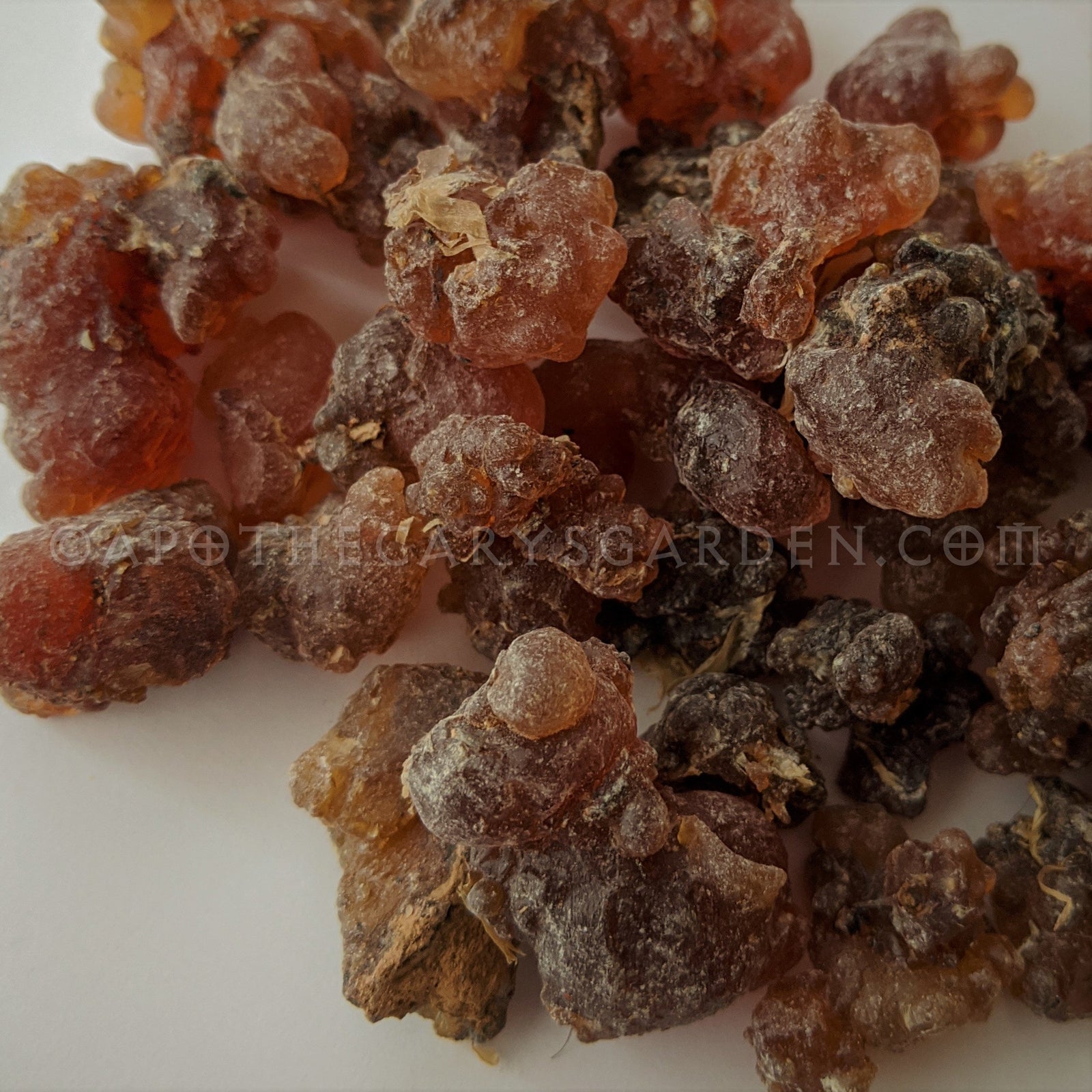
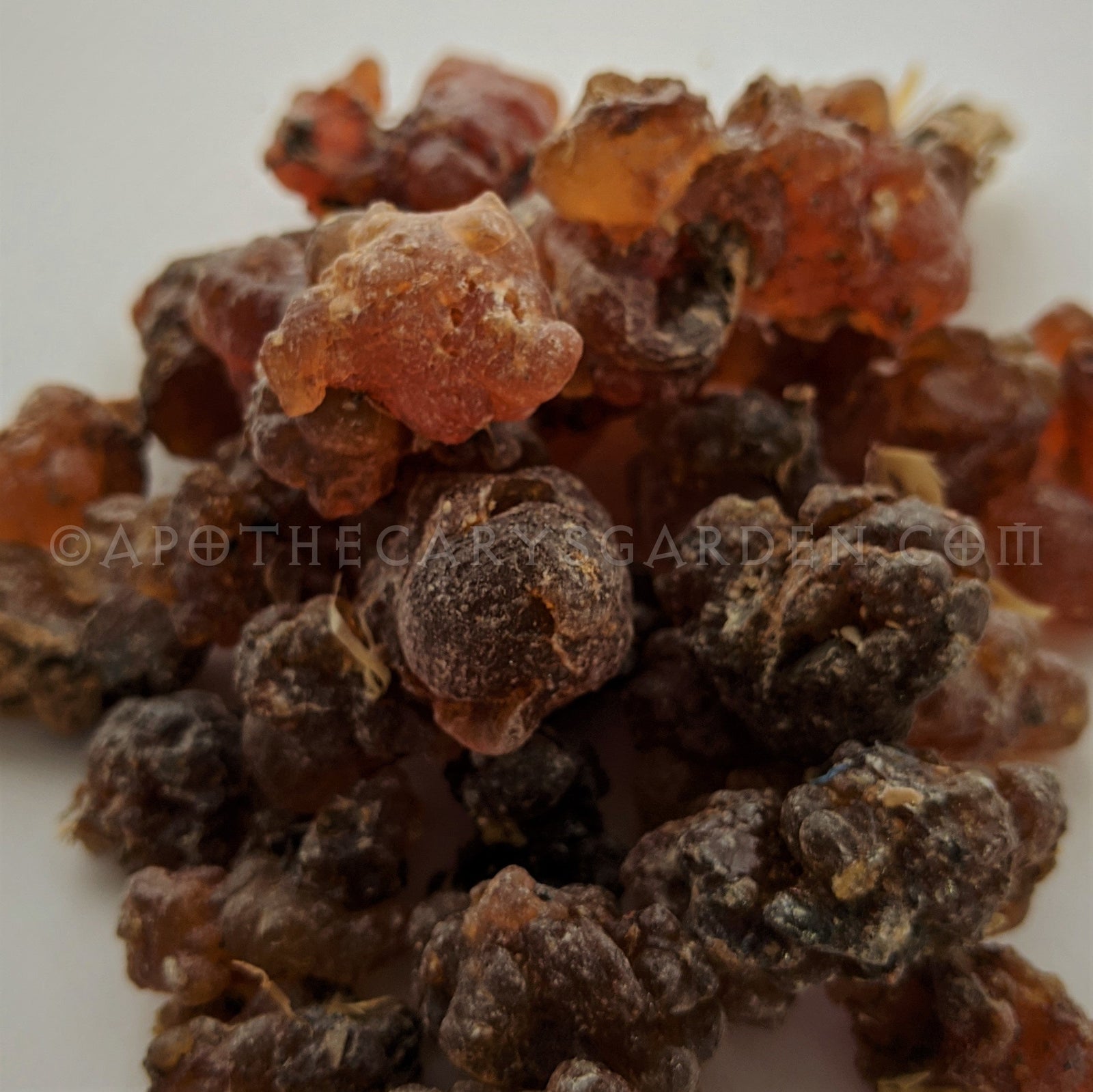
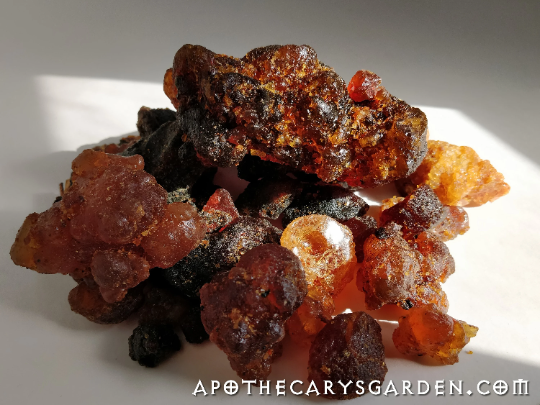
Commiphora gileadensis has a lovely fragrance with fresh, woody fruity notes, a touch of lemon and spice - a lovely direction to explore in incense, Annointing oils, skincare and natural perfume
Balm of Gilead
What fascinates me is how thoroughly our predecessors worked with this tree. The fragrant sap was its most celebrated offering, but the wood, bark and seeds also had a place in medicine. Balsam was cultivated in the oases of Jericho and Ein Gedi, where it became one of the ancient Mediterranean’s most prized perfumes. Its cultivation later continued in Egypt for roughly a thousand years.
Historical preparations included oils, ointments and compresses, and balsam appears in medical prescriptions preserved in the Cairo Geniza. A reminder that these aromatic materials belonged as much to the apothecary as to the perfumer.
There is more to this beautiful fragrance than perfume. The aromatic oils of C. gileadensis can be rich in α-pinene and sabinene, volatile monoterpenes that contribute to its fresh, lively character. Laboratory studies have also found antibacterial activity in some of the plant’s preparations, while α-pinene has been shown to help certain compounds pass through the skin in experimental formulations.
For me, this is where the old apothecary and the modern laboratory begin an interesting conversation. A material treasured as both perfume and medicine invites us to explore how its fragrance and chemistry work together. These findings offer clues to its longstanding use in topical preparations, though the whole resin still has much to teach us.
Balm of Gilead makes a lovely incense on its own or blended with other aromatic materials. Start with a small piece on the coal—a little goes a long way! I suggest trying it on an adjustable incense heater as well, where gentle heat allows you to explore its fresh, woody, sweet notes before they disappear in a rush of smoke. Get to know it on its own before adding it to your blends. For the natural perfumer, the resin can be tinctured in alcohol and filtered to remove insoluble material, bringing another member of the fragrant Myrrh family to the perfume palette.
And a small clarification: this is the Commiphora material called Balm of Gilead, distinct from the Poplar buds and Poplar bud preparations sold under the same familiar name.
Dan
Material: Commiphora gileadensis resin.
Origin: Yemen
Dan