





Bursera Bicolor Copalillo Resin
Bicolor Copal Resin — Bursera bicolor — Oaxaca region of Mexico
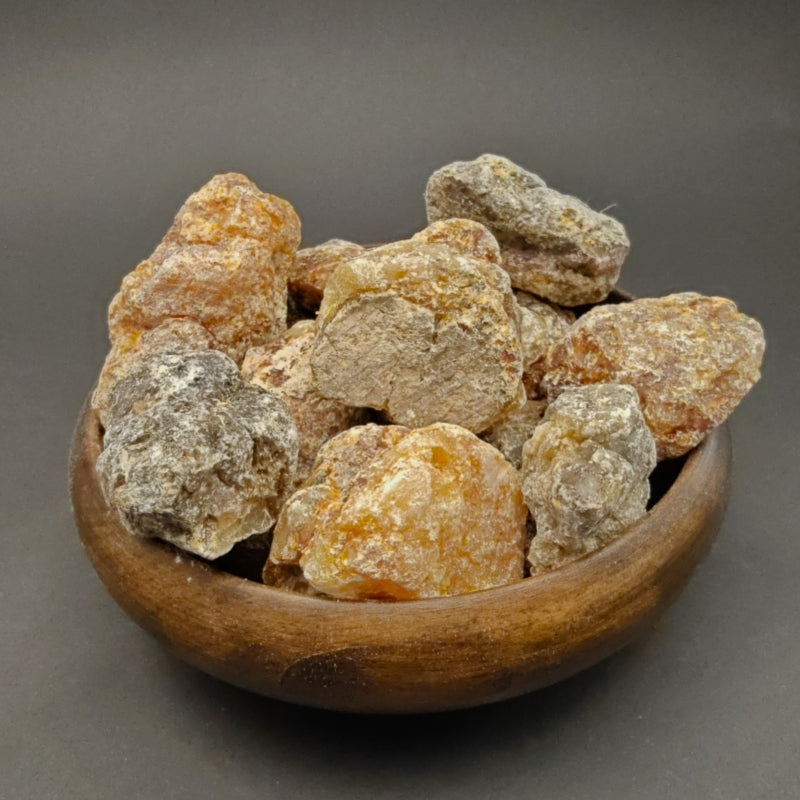
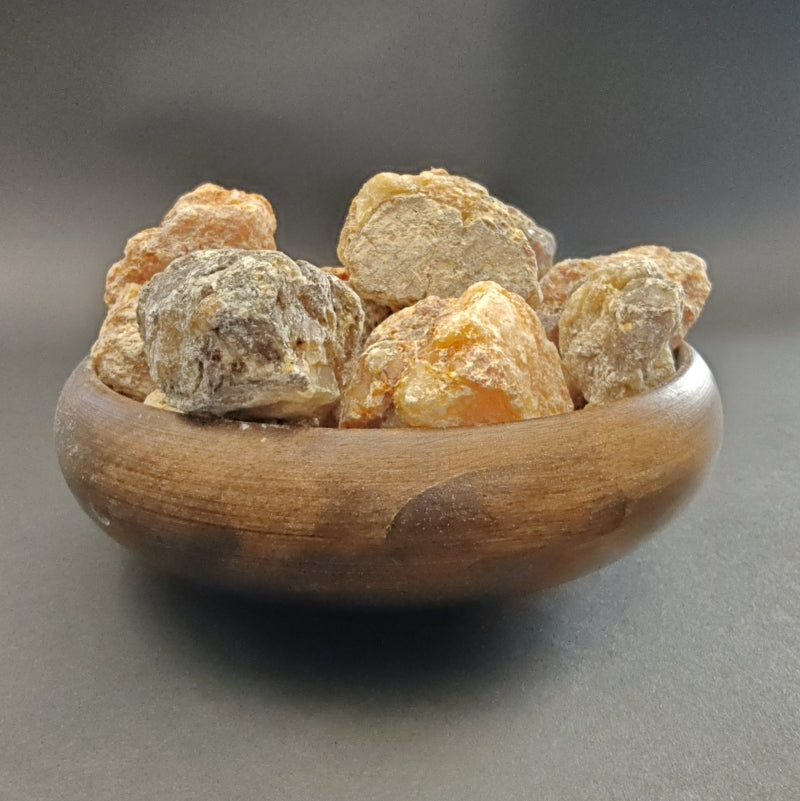
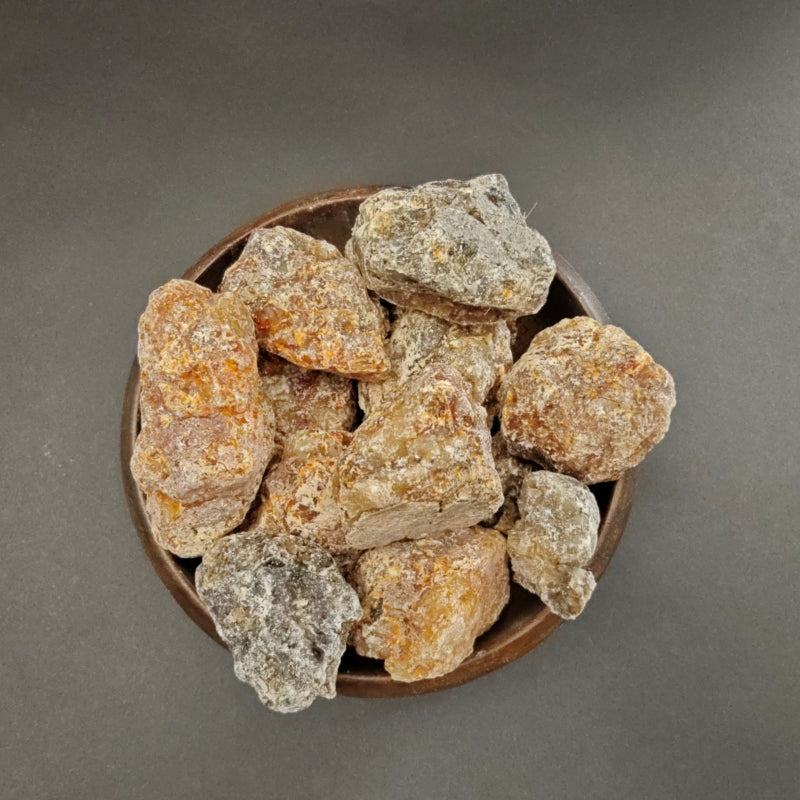
Bicolor Copal is a sweet-smelling copal resin from Bursera bicolor, one of Mexico’s many aromatic copal trees. This one smells like cake. Yes, a fragrance reminiscent of baked sweets. An unexpected direction for a tree resin, and a lovely reminder that the word “Copal” tells you very little about what your nose is about to encounter.
$9.00 - $331.00
Its sweetness caught my attention, and if you enjoy exploring the differences between copals, this is another one to get acquainted with. Traditionally used for rheumatic complaints in Morelos, Mexico, Bicolor Copal is also burned as incense for its sweet aroma.
The tree is native to central and southwestern Mexico, where it grows in seasonally dry tropical landscapes. It is known regionally as Ticumaca or Cupalaca, among other names. As with many Mexican copals, local names vary, so I like to keep the botanical name attached.
Bursera bicolor belongs to the Burseraceae—the same fragrant family that gives us Frankincense, Myrrh and Elemi.
Bicolor means “two-coloured.”. Interestingly, though this resin has two tones, black and pink, the name actually refers to the two tones of its flowers: magenta with a white margin. Sounds striking!
Copal resins have been traditionally used for incense and medicine in Mexican ceremonies and homes. That shared history is part of their appeal, but each species deserves its own introduction. Calling everything simply “Copal” misses the interesting part. Most of the Mexican Copals will dissolve in warm oil, which makes them perfect for use in skincare and other therapeutic products.
Bursera bicolor resin contains triterpenes including alpha- and beta-amyrin, along with triterpene acetates which have been shown in studies to exhibit anti-inflammatory properties.
These heavy C30 triterpenes are the compounds responsible for the powerful anti-inflammatory and tissue-repair properties traditionally associated with copal resins. They do not distill over with the essential oils, but like the Frankincense Boswellic acids, they are left behind in the still and can be easily incorporated into anti-inflammatory oils, balms and cremes. They are skin and joint-loving lipophiles and dissolve easily into warm carrier oils.
If you are building a collection of Mexican aromatics, let your nose make the introductions. In this case, it may lead you to cake.
You can view my video introducing Bursera bicolor here-https://youtu.be/c-jjJ0D3B5Q
Dan
Materials: Copal, Bursera Copalillo resin, Copal Bicolor