






Galbanum essential oil
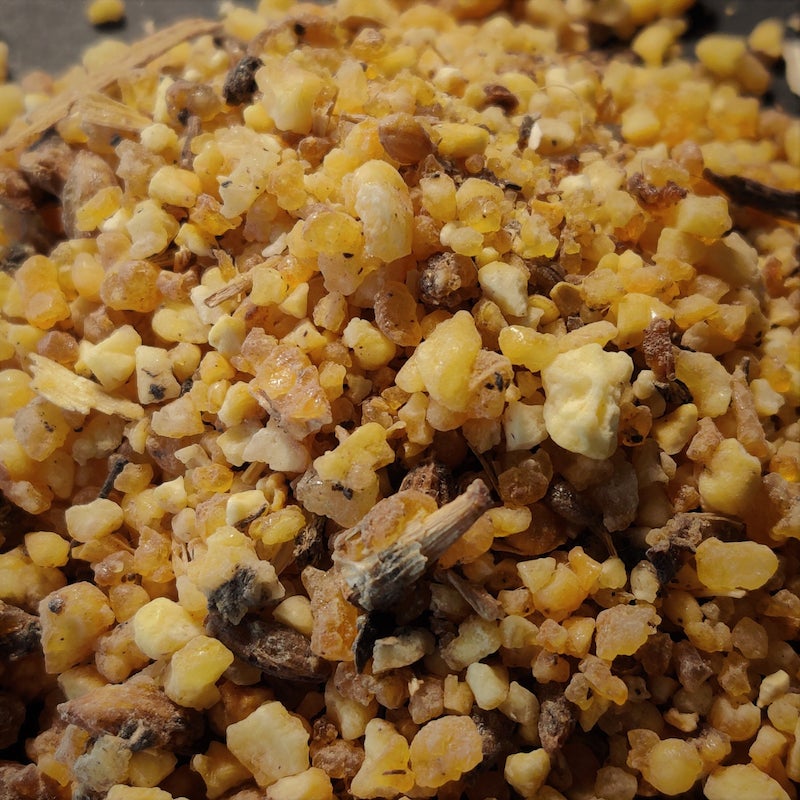
This is a complex, multi-layered and sophisticated Galbanum essential oil, distilled in-house from the tears of Galbanum. Ferula Gummosa from Afghanistan.
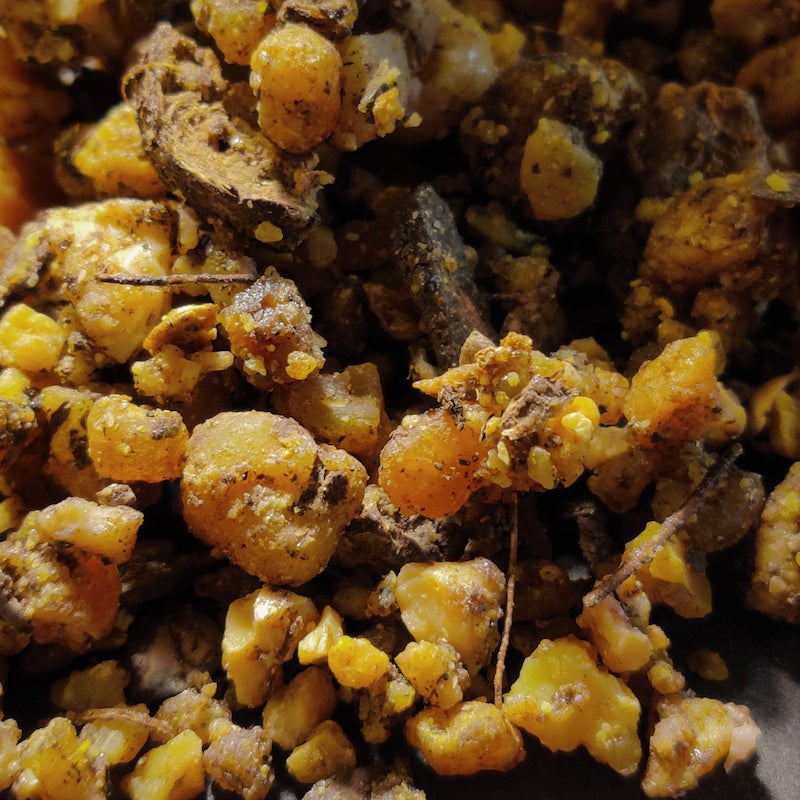
I have two forms/types of Galbanum resin in the shop, the fresh semi-liquid resin here-https://www.etsy.com/listing/748033980/galbanum-resin-fresh-a-rare-biblical
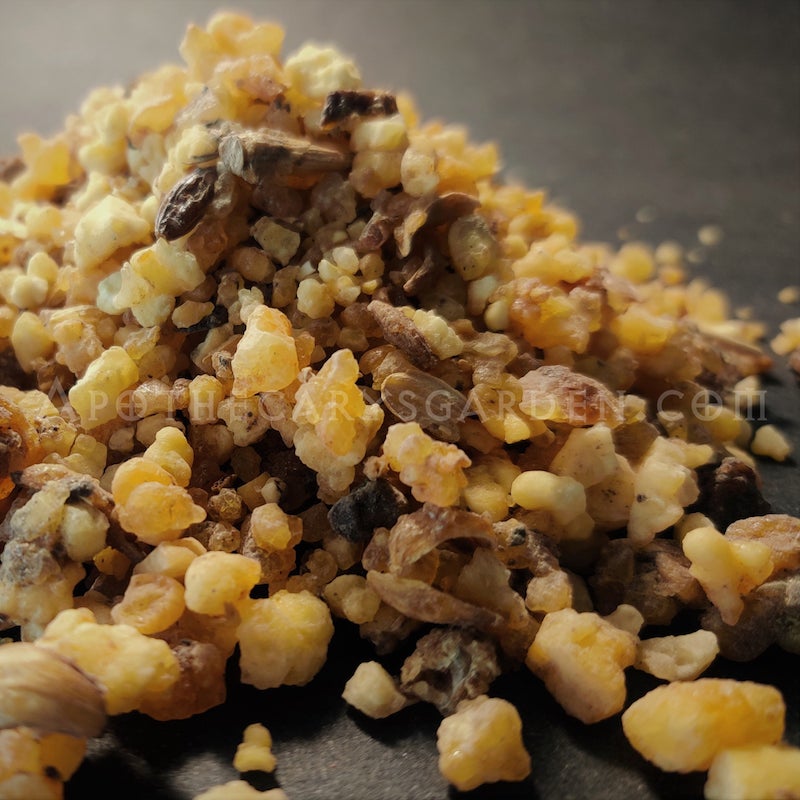
And the dry tears here-https://www.etsy.com/listing/882701412/galbanum-tears-a-rare-and-biblical.
They each have a distinct fragrance profile and may indeed be from different species of Ferula. My guess is that the tear form is from Ferula rubricaulis and the sticky resin the regular Ferula Galbaniflua. (There are over 200 species of Ferula!).
Galbanum essential oil surprised me with its complex aroma. I expected the "Green" notes to be sharp, front and center, and prominent as they are in commercially distilled Galbanum essential oils. However, this essential oil has a delectable, dry, "earthy" perfume heart wrapped in soft sweet, powdery green notes.
What I can say, is that this Galbanum essential oil is gorgeous. It has the expected Green notes attributed to Galbanum but they are secondary to a rich earthy heart note and they are sweeter and more delicious than the green notes found in mainstream Galbanum essential oil.
I would love to hear how customers describe the scent of this unusual essential oil!
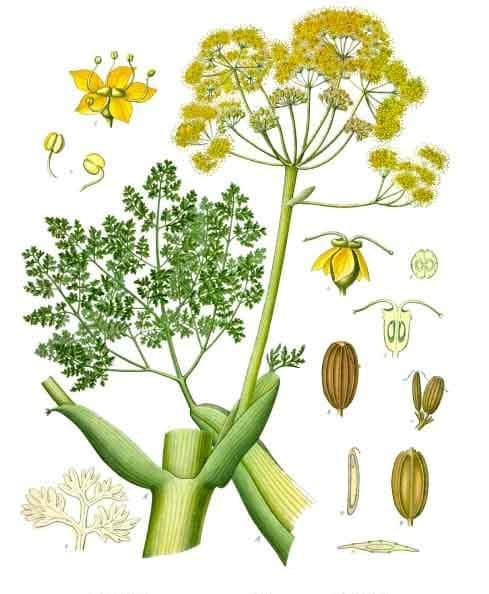
Galbanum, Ferula Galbaniflua, (or F. Rubricaulis), grow from Afganistan up to Turkistan and Kazakhstan in the north. Their resin, root and seeds are used in traditional medicine, while their leaves are used as a vegetable in some ethnic dishes
Galbanum is one of the four essential ingredients of the Holy Incense mentioned in Exodus 30:34 and Ecclesiastes 24:14–15. It was one of the ingredients of Ketoret, the Jewish Holy Incense that was burned in the Tabernacle in the 1 st and 2nd Jewish Temple at Jerusalem.
Galbanum has been used for medicine since time immemorial and is a component in ancient Egyptian Khyphi incense.
The name Ferula refers to the sheath-like sleeve which "Clasps" the hollow stems of most of this family of perennial herbs. A term we still use today, ferrule.
Other members of the Ferula family include Ammoniacum, Asafoetida, Sumbul, (Muskroot), Giant Fennel and Ferula Hermonis, also known as Zallouh or Lebanese Viagra.
Dan
-
Materials: Ferula Galbaniflua, Galbanum, Pure Essential Oil.
$15.40 - $413.00