Ammoniacum tears-Gum Ammoniacum

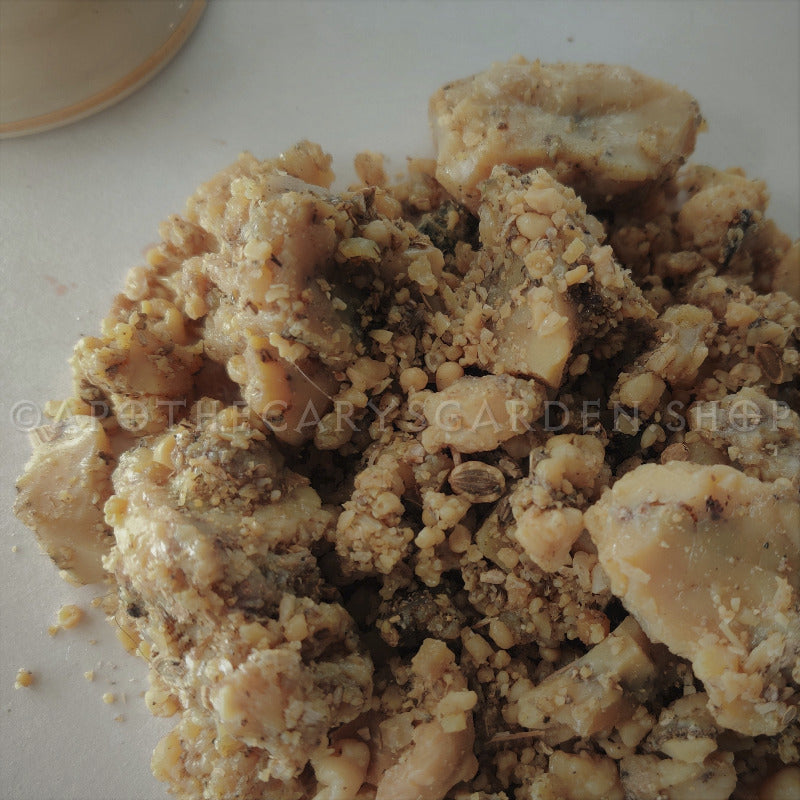
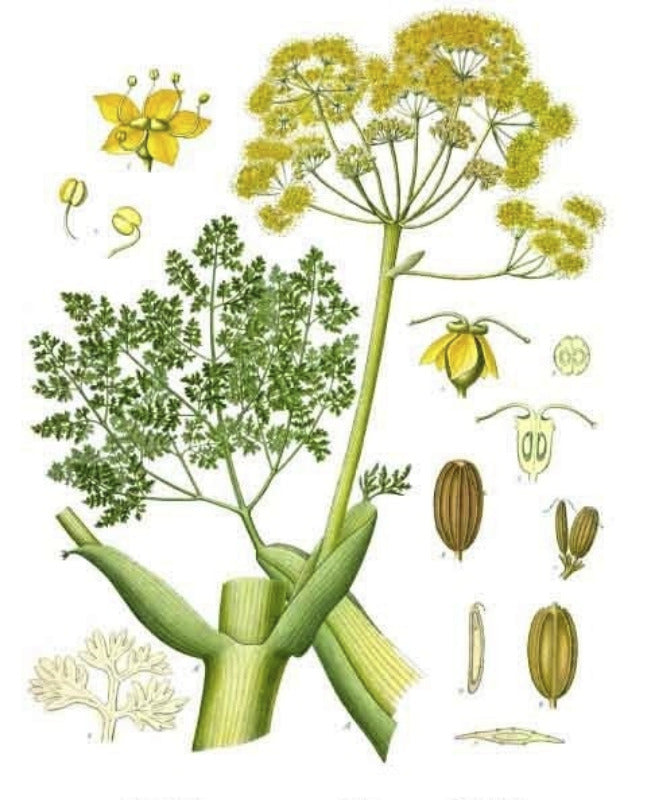
Ammoniacum tears are collected from the plant Dorema Ammoniacum. It is an aromatic resin named for its long association with the Oracle of the Temple of Ammon. Originally located in Siwa Libya, the temple was an important religious center for the Egyptians and the ancient Greeks,

Frequently asked questions

Some questions and answers are automatically generated.

What does Ammoniacum smell like?
Reviewers describe it as having a fresh, green scent—golden green and somewhat sweet, with a slightly spicy note when blended. One reviewer noted it's penetrating and purifies the room when burned. A few older reviews mention it smelling unpleasant, but most customers praise the fragrance.
Is this good for burning as incense?
Yes. Many reviewers burn it on low heat with an electric burner and report it purifies their space. It has a long history as an incense ingredient in Eastern and Middle Eastern traditions and is used for meditation, ritual, and spiritual practices.
Can I use it for gilding and illumination?
Yes. According to the product description, Ammoniacum has been used for hundreds of years as an adhesive for gilding in illuminated books and other objects, and at least one reviewer confirmed it works well for this purpose.
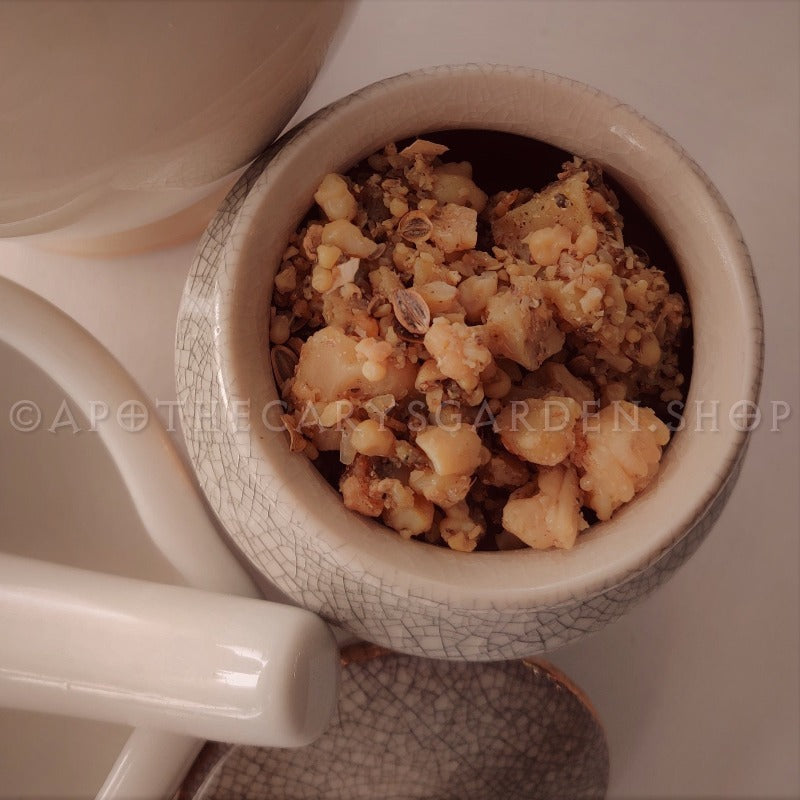
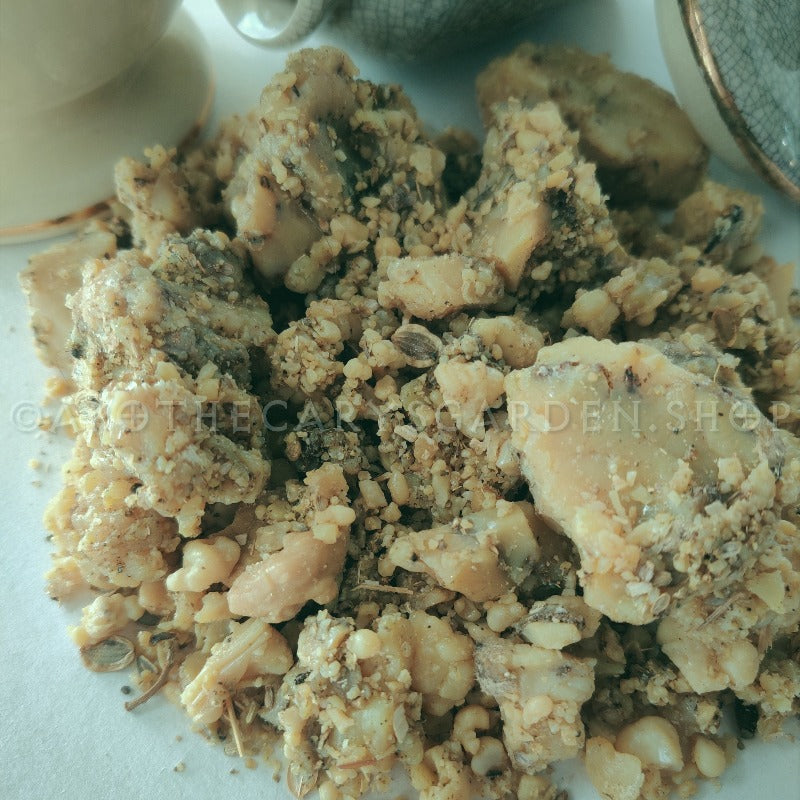
Does it come in clumps or tears?
The product comes in tear form. One reviewer noted that the clumps can be hard to break up and laborious to clean after, suggesting you may need to process it before use depending on your application.
Is this the authentic form or a paste?
This is collected resin tears from the Dorema Ammoniacum plant. One reviewer compared it to a fresh resin paste form available elsewhere and found the tears to be an adequate alternative, though some may prefer other forms.
How strong is the fragrance?
Multiple reviewers specifically note it has a strong fragrance when burned. The product description describes it as penetrating, and reviewers report it successfully purifies and fills a room.
What is Ammoniacum used for traditionally?
The product description states it has been used since antiquity for medicinal and therapeutic properties. It also has a long history in spiritual and ritual contexts, particularly in Middle Eastern and Jewish traditions, and is traditionally associated with oracular and divinatory practices.
What plant does this come from?
Ammoniacum tears are collected from the plant Dorema Ammoniacum, an aromatic resin with a botanical heritage tied to ancient temples and oracles.
Believed to be the preferred incense to petition the oracle for answers,Gum Ammoniacum is thought to have served the same purpose at the Greek oracle at Delphi. The name has persisted even though the oracles are no longer used as they once were.

Also known as Oshek or Veshek, Ammoniacum is burned to this day in the Moroccan Jewish tradition before the holy scrolls are removed from the temple ark.

This resin has a lovely “green” fragrance, similar to, but softer and sweeter than that of its cousin Galbanum which is used in perfumery. Where Galbanum has a green and very dry scent, Ammoniacum has a fragrance that could be described as golden green, fresh, penetrating and nourishing.
It tastes bitter and pungent though this might be due to its high essential oil content.

Ammoniacum has been used since antiquity for its medicinal and therapeutic properties. I cannot list them here so I encourage you do your research.
Energetically, the Ferula family is ruled by the wind.
This is not only indicated by how they address flatulence but because they all seem to be connected with the function of communication from an oracular and divinatory perspective, opening gateways in perception and traditionally used when working with or petitioning the Djinn.
One could classify them under the rule of Mercury.

It is still used as an incense ingredient in the East and in traditional medicine.
With its unique fragrance profile, it could provide an interesting addition to the perfumer's palette as a tincture or essential oil.

Ammoniacum has been used for hundreds if not thousands of years as an adhesive for gilding in illuminated books and other objects where it usually refered to as Gum Ammoniacum.

Dan


Materials: Ammoniacum, Dorema Ammoniacum.